
Feeling tired all the time can make life hard. For many people, this tiredness does not go away with sleep or rest. They wake up as tired as when they went to bed. Some call this feeling adrenal fatigue. If you search for answers, you might hear about a mushroom called reishi. People say it can help your body deal with stress and restore your energy. Reishi is an adaptogen, a group of herbs and mushrooms that support your body in tough times. But can reishi really help with adrenal fatigue? Is it safe to try? Let’s explore what science and real experiences say about reishi, adaptogens, and your energy.
What Is Adrenal Fatigue?
Adrenal fatigue is not a medical diagnosis you’ll find in textbooks. But many people use this term to describe a group of symptoms:
- Feeling tired all day, even after sleep
- Trouble getting out of bed
- Craving salt or sugar
- Brain fog and poor focus
- Mood swings or feeling down
- Low ability to handle stress
The idea behind adrenal fatigue is that stress overworks your adrenal glands—small organs above your kidneys that make hormones like cortisol and adrenaline. When these glands get “tired,” your body cannot handle stress well, leaving you drained.
Doctors may not agree about the term “adrenal fatigue.” They recognize adrenal insufficiency (when glands truly fail), but this is rare and found with blood tests. However, the symptoms of adrenal fatigue are real for many people, even if the cause is not fully clear.
Many people feel frustrated when their blood tests come back “normal,” but they still feel exhausted. This is because adrenal fatigue describes a gray area, where the body is not in total failure, but not working at its best either.
It is important to remember that hormones like cortisol naturally rise and fall during the day. Chronic stress can disturb these patterns, making you feel tired at the wrong times, or wired when you should be winding down.
Why Do People Feel This Way?
Chronic stress from work, family, illness, or lack of sleep can affect your body’s stress system. Over time, your body may struggle to return to balance. This can lead to ongoing tiredness, low mood, and other problems.
Non-obvious insight: Many people blame only the adrenal glands, but your whole stress system is involved—brain, hormones, nerves, and even your gut health.
For example, your gut produces hormones and communicates with your brain. Poor gut health can make stress and tiredness worse. Also, your body’s response to stress involves not just the adrenal glands, but the hypothalamus and pituitary gland in the brain.
If any part of this system is out of balance, you can feel unwell.
Another factor people miss is how lifestyle choices add up. Lack of daylight, irregular meals, and too much screen time can all put extra pressure on your stress system. Small changes—like eating breakfast, getting outside, or resting when tired—can make a difference over time.
What Are Adaptogens?
Adaptogens are herbs and mushrooms used in traditional medicine for hundreds of years. They are called “adaptogens” because they help your body adapt to stress—physical, mental, or emotional.
Some well-known adaptogens include:
- Reishi (Ganoderma lucidum)
- Ashwagandha
- Rhodiola rosea
- Holy basil (Tulsi)
- Ginseng
Adaptogens do not force your body to do one thing. Instead, they help bring your system back to balance, like turning the volume up or down as needed. For example, if you are too tired, they may give gentle energy.
If you are too stressed, they may help calm your mind.
Adaptogens are unique because they can act differently in different people. For instance, someone who is anxious might feel calmer, while someone who is sluggish might feel more alert. This balancing effect is why adaptogens are popular for stress and fatigue.
How Adaptogens Work
Scientists believe adaptogens work by:
- Supporting the hypothalamic-pituitary-adrenal (HPA) axis, your main stress pathway
- Regulating stress hormones (like cortisol)
- Supporting immune function
- Reducing inflammation
Adaptogens also help your cells use energy more efficiently, which may explain their steadying effects. They may protect your body from damage caused by stress, known as “oxidative stress,” which can harm your cells over time.
Not all adaptogens are the same. Some are more calming; others are more energizing. Reishi is often considered calming and restorative.
Non-obvious insight: Some adaptogens need to be taken regularly, not just when you feel stressed. Their real benefits build slowly, supporting your body’s long-term balance.
Meet Reishi: The Mushroom Of Immortality
Reishi is a mushroom with a long history in Chinese and Japanese medicine. It is sometimes called Lingzhi or the “Mushroom of Immortality.”
Reishi grows on trees in Asia, and its shiny, reddish cap makes it easy to spot. People do not usually eat reishi as food. Instead, they make it into tea, extracts, or powders.
Reishi has been used for over 2,000 years. In ancient times, it was so rare that only royalty could use it. Today, it is more widely available, thanks to modern cultivation.
What Makes Reishi Special?
Reishi contains many active compounds:
- Polysaccharides (support immunity)
- Triterpenes (help with stress and inflammation)
- Peptidoglycans (support cell health)
These compounds are found mainly in the “fruiting body,” the part of the mushroom above ground. This is why the source of your reishi supplement matters.
People use reishi to:
- Boost energy and fight fatigue
- Calm nerves and improve sleep
- Support the immune system
- Reduce inflammation
Non-obvious insight: Unlike caffeine or sugar, reishi does not give a quick “rush.” Its effects are gentle and build over time.
Some people describe the effects of reishi as “subtle but deep. ” You may not notice a dramatic shift, but over weeks, you feel steadier and less reactive to stress.
How Reishi May Help With Adrenal Fatigue
People with adrenal fatigue often feel stuck in a cycle of tiredness, stress, and poor sleep. Reishi may help in several ways.
1. Balancing Cortisol Levels
Cortisol is your body’s main stress hormone. Too much or too little can cause problems. Some studies show reishi can help regulate cortisol, keeping it in a healthy range. This means your body may respond better to stress and recover faster.
For example, if you are always in “fight or flight” mode, your cortisol can get stuck high, making you feel wired but tired. Reishi may help bring these levels down, so you feel calmer. If your cortisol is too low, reishi may help support gentle recovery.
2. Supporting Deep, Restful Sleep
Sleep is key to energy. Reishi is known for its calming effects. Studies suggest it can help you fall asleep faster and improve sleep quality, which may help your body restore energy overnight.
Better sleep allows your body to repair and recharge. People who use reishi often report fewer night wakings and feeling more refreshed in the morning.
3. Boosting The Immune System
Chronic stress weakens the immune system. Reishi’s polysaccharides support your white blood cells, which fight infection and keep your body strong.
When your immune system works well, you get fewer colds and recover faster. Reishi is often used during times of high stress or illness to help keep your body’s defenses strong.
4. Reducing Inflammation
Long-term stress can cause low-level inflammation, which drains energy. Reishi’s triterpenes and antioxidants help reduce inflammation, supporting your body’s healing.
Inflammation can show up as aches, pains, or general sluggishness. By calming inflammation, reishi may help your body focus on healing and energy production.
5. Improving Mental Focus And Mood
Brain fog and low mood are common in adrenal fatigue. Some research shows reishi can improve mental clarity and mood by supporting brain chemicals and reducing stress hormones.
People often say they feel more “clear-headed” and able to handle tasks after using reishi for a few weeks.
6. Gentle Energy Support
Unlike coffee or energy drinks, reishi does not overstimulate. Instead, it can help restore natural energy over weeks to months.
This means you may start to notice you have more even energy throughout the day, instead of big highs and lows.
Non-obvious insight: If your energy feels worse at first, it may be your body adjusting. Some people experience a brief “healing crisis” where symptoms get worse before they improve. This usually passes within a week.
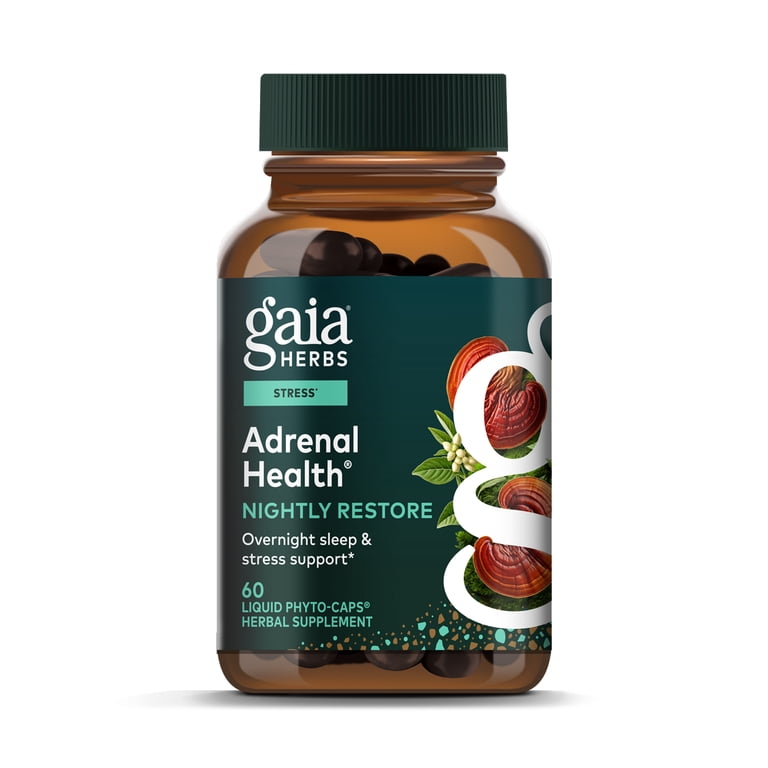
Credit: www.walmart.com
What Does The Research Say?
Science is still learning about reishi and adrenal fatigue. Most studies look at stress, sleep, or immune function, not adrenal fatigue directly. Here’s what we know so far.
Reishi And Stress
- A 2012 study found that reishi extract reduced fatigue and improved well-being in people with chronic tiredness after 8 weeks.
- Animal studies show reishi can lower stress hormones and protect the brain from stress.
Some studies suggest that reishi may help normalize the HPA axis, your body’s main stress pathway. When this system is balanced, your body handles challenges more smoothly.
Reishi And Sleep
- A 2017 study reported that reishi improved sleep quality and helped people fall asleep faster.
People with trouble sleeping often report dreaming more or waking up less often when using reishi. This can be especially helpful for those whose tiredness is made worse by poor sleep.
Reishi And Immunity
- Multiple studies show reishi can boost immune cells, helping your body fight off illness.
Reishi is sometimes used during cold and flu season, or during high stress, to help prevent getting sick.
Limitations
Most studies are small or use animals. More research is needed to confirm benefits for adrenal fatigue in humans.
Non-obvious insight: Because “adrenal fatigue” is not a standard diagnosis, it is hard for researchers to test it directly. Most studies look at symptoms like tiredness, stress, or poor sleep.
It’s also important to remember that quality and dose of reishi in studies can vary. If you try reishi, use a trusted product and give it enough time.
Adaptogens Vs. Other Energy Boosters
Many people reach for coffee, sugar, or energy drinks when tired. How do adaptogens like reishi compare?
Below is a comparison of common energy boosters:
| Energy Booster | How It Works | Speed | Lasting Benefits? | Side Effects |
|---|---|---|---|---|
| Coffee | Stimulates nervous system | Fast | No (short-lived) | Jitters, crashes |
| Sugar | Quick blood sugar rise | Fast | No (wears off fast) | Crashes, weight gain |
| Energy drinks | Mix of caffeine & sugar | Fast | No | Heart risk, insomnia |
| Reishi | Balances stress system | Slow (weeks) | Yes (restores balance) | Rare (allergy possible) |
As you can see, reishi does not give quick energy. Instead, it works over time to help your body handle stress and recover, which may restore natural energy.
Non-obvious insight: Many people who switch from coffee to adaptogens notice fewer mood swings and less afternoon tiredness. The steady energy from adaptogens may help you avoid burnout.
How To Use Reishi For Adrenal Fatigue
If you want to try reishi, here are some key points to consider.
Forms Of Reishi
Reishi comes in several forms:
- Powder (add to drinks or smoothies)
- Capsules (easy to take, tasteless)
- Extracts or tinctures (liquid form)
- Teas (made by steeping dried reishi slices)
Choose a form that fits your lifestyle. Extracts are often more concentrated than powders or teas.
Some people enjoy the earthy, slightly bitter taste of reishi tea, while others prefer capsules for convenience. If you use powder, mix it well into warm drinks or soups.
How Much To Take?
There is no official dose for reishi. Most studies use:
- 1,000–3,000 mg (1–3 grams) of extract per day, or
- 2–5 grams of dried mushroom per day
Start with a low dose and see how you feel. Increase slowly if needed.
For sensitive people, even 500 mg may be enough to start. Always listen to your body, and do not increase too quickly.
When To Take Reishi
- For energy support, take in the morning or midday.
- For sleep support, take in the evening.
Reishi is gentle, so timing is flexible. Some people split their dose between morning and night.
If you notice more vivid dreams or deeper sleep, you may prefer to take reishi in the evening. If you feel sleepy during the day, try taking it earlier.
How Long To Use It?
Reishi works best when taken regularly for several weeks or months. Do not expect instant results. Most people notice changes after 2–4 weeks.
Some people use reishi daily during stressful times, then take breaks when feeling better. This can prevent your body from adapting too much to the herb.
Combining Reishi With Other Adaptogens
Some people use reishi with other adaptogens like ashwagandha or rhodiola. This may offer more complete support, but start with one to see how your body reacts.
Non-obvious insight: Reishi can interact with blood-thinning drugs and immune-suppressing medicine. Always check with your doctor before starting.
If you add another adaptogen, wait at least a week to notice any effects or side effects. This helps you understand what is working for you.
How To Choose Quality Reishi Products
Not all reishi is the same. Quality matters for safety and results.
Here’s what to look for:
- Certified Organic: Avoid pesticides and toxins.
- Dual Extracted: Uses both water and alcohol to get all active compounds.
- Made from Fruiting Body: The mushroom cap (fruiting body) contains more active ingredients than the root (mycelium).
- Third-Party Tested: Check for purity and absence of heavy metals.
- Clear Labeling: Shows dose, extraction method, and ingredients.
Below is a comparison of good vs. poor quality reishi:
| Feature | High-Quality Reishi | Low-Quality Reishi |
|---|---|---|
| Source | Organic, fruiting body | Non-organic, mycelium on grain |
| Extraction | Dual (water & alcohol) | Single (often just water) |
| Testing | Third-party tested | No testing info |
| Label Transparency | Clear, lists active compounds | Vague, little detail |
Non-obvious insight: Some cheap reishi products are mostly made from grains, not mushrooms, and have very low active ingredients. Look for products that show “beta-glucan” content (a key active compound) for better results.
Possible Side Effects And Safety
Reishi is usually safe for most people. Side effects are rare but can include:
- Dry mouth or throat
- Upset stomach
- Rash or allergy (rare)
- Dizziness (uncommon)
Do not use reishi if you:
- Are pregnant or breastfeeding (not enough safety data)
- Take blood-thinning drugs (may increase risk of bleeding)
- Have low blood pressure (reishi can lower it more)
- Have autoimmune disease (reishi may boost immunity too much)
Always talk to your doctor before starting any new supplement, especially if you have health problems.
Some people may experience mild digestive upset when starting reishi. Taking it with food can help reduce this effect. If you have a mushroom allergy, avoid reishi.
Real-life Experiences With Reishi
Many people share their stories online about reishi and adrenal fatigue. Some find it life-changing, while others feel little difference.
Common Positive Experiences
- More stable energy throughout the day
- Better stress tolerance
- Improved sleep quality
- Fewer colds or infections
Some people say they feel calmer in stressful situations, or that they recover faster from illness. Others enjoy better focus at work or feel less irritable with family.
Common Challenges
- Effects are slow; takes weeks to notice change
- Some dislike the bitter taste (especially in tea)
- Not everyone feels a benefit
Non-obvious insight: If you have very severe fatigue, adaptogens alone may not be enough. You may need to address sleep, diet, and other health issues too.
Also, people with digestive issues may find powders or teas harder to tolerate than capsules.
Other Ways To Support Adrenal Health
Reishi is not a magic fix. For best results, combine adaptogens with other healthy habits.
1. Get Enough Sleep
Aim for 7–9 hours of quality sleep. Go to bed and wake up at the same time every day.
Turning off screens an hour before bed and keeping your bedroom dark and cool can improve sleep quality.
2. Eat Balanced Meals
Focus on:
- Protein (eggs, fish, beans)
- Healthy fats (olive oil, nuts)
- Whole grains
- Plenty of vegetables
Avoid too much sugar or caffeine.
Eating regular meals—especially breakfast—can help keep your blood sugar stable, which reduces stress on your body.
3. Manage Stress
Try:
- Deep breathing
- Meditation
- Gentle exercise (walking, yoga)
- Time in nature
Even a few minutes of slow, deep breathing can help reset your stress system.
4. Stay Hydrated
Drink enough water. Dehydration can worsen tiredness.
Keep a water bottle with you during the day as a reminder.
5. Limit Stimulants
Reduce coffee, energy drinks, and sugar. They give quick energy but make fatigue worse over time.
Try herbal teas or warm water with lemon as a gentle alternative.
Non-obvious insight: Small changes, done daily, can add up to big improvements in energy and stress over time.
Myths And Facts About Reishi And Adrenal Fatigue
It’s easy to find claims online that are not true. Here are some common myths:
Myth 1: Reishi Works Instantly
Fact: Reishi works slowly. Most people need 2–4 weeks to notice change.
Myth 2: Reishi Is Safe For Everyone
Fact: Some people should not use reishi, especially with certain medications or health issues.
Myth 3: More Is Better
Fact: High doses do not always mean better results. Start low and increase slowly.
Myth 4: Reishi Alone Can Cure All Fatigue
Fact: Reishi can help, but you need a healthy lifestyle too.
Some websites claim reishi cures all kinds of tiredness, but this is not realistic. It is one tool, not a cure-all.
The Role Of Stress In Modern Life
Stress is a part of life. But today, many people feel stressed all the time—at work, at home, even at rest. Chronic stress can make your body tired and less able to recover.
Adaptogens like reishi do not remove stress. Instead, they help your body respond better, so stress does not hurt your health as much.
Non-obvious insight: Your mindset about stress also matters. People who see stress as a challenge (not just a threat) often have better energy and health.
Learning to say no, setting limits, and asking for help are also important steps in reducing the impact of stress on your body.
What To Expect When Taking Reishi
If you decide to try reishi for adrenal fatigue, here’s what you might notice:
- Energy may become more stable, with fewer ups and downs
- Sleep may improve—deeper, with fewer night wakings
- Stress may feel easier to handle
- Immune system may get stronger (fewer colds)
- Mood may improve, with more calm and focus
But results vary. Some feel better in 2 weeks, others need 2–3 months. Be patient and listen to your body.
Non-obvious insight: Tracking your progress in a simple journal (energy levels, sleep quality, mood) can help you see slow changes over time.
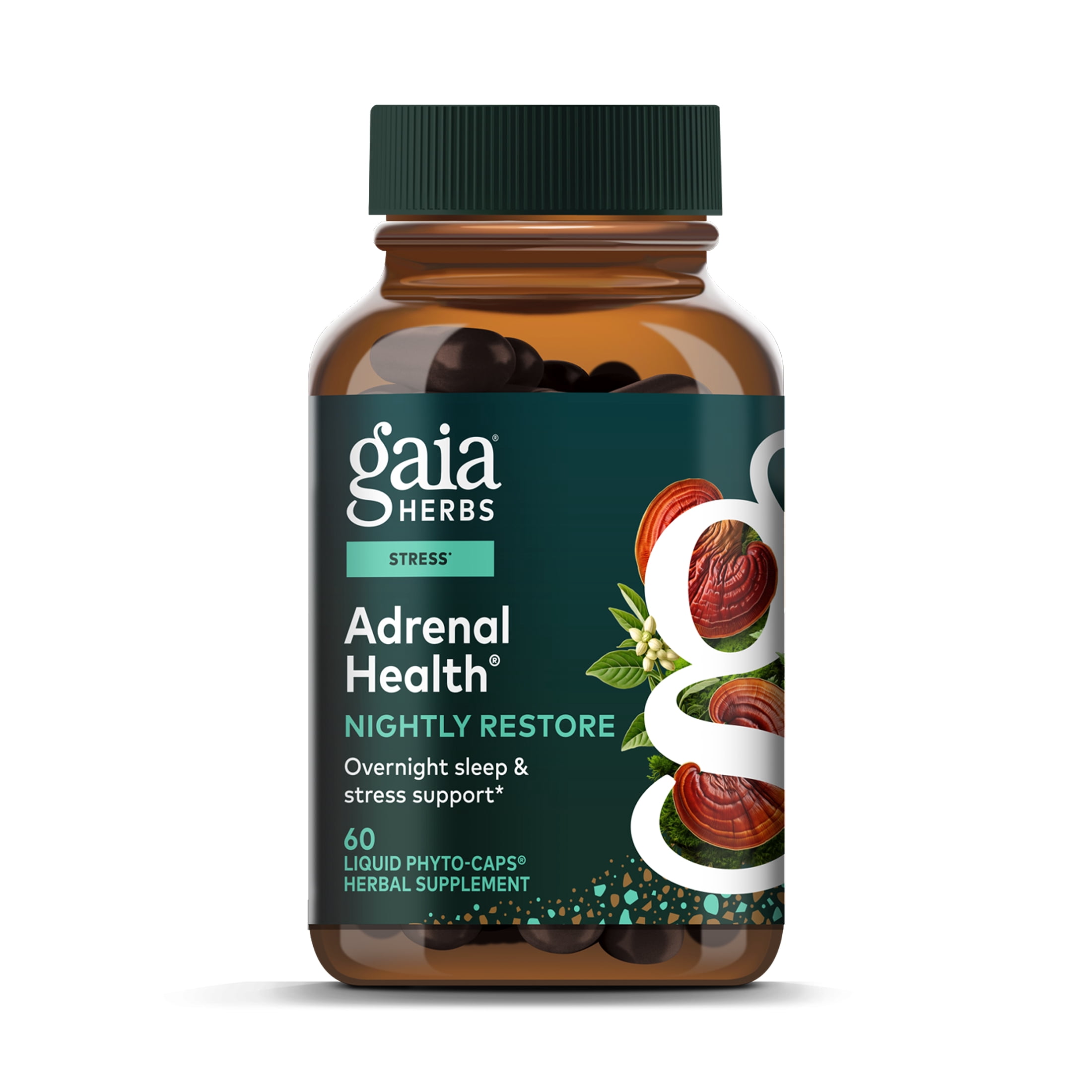
Credit: www.walmart.com
How Reishi Compares To Other Adaptogens
Reishi is just one adaptogen. Others include ashwagandha, rhodiola, and ginseng. Here’s a brief comparison:
| Adaptogen | Main Effects | Energy Type | Best For | Notes |
|---|---|---|---|---|
| Reishi | Calming, supports immunity, sleep | Restorative | Stress, fatigue, poor sleep | Gentle, few side effects |
| Ashwagandha | Reduces anxiety, boosts energy | Balancing | Stress, anxiety, tiredness | Can lower cortisol |
| Rhodiola | Boosts stamina, mental focus | Energizing | Physical/mental fatigue | Best in the morning |
| Ginseng | Boosts energy, focus | Stimulating | Low energy, older adults | May cause jitters |
Choose adaptogens based on your main needs—calm, energy, sleep, or focus.
If you want a calming, immune-supporting adaptogen, reishi is a good choice. If you need more physical or mental energy, rhodiola or ginseng might help. Ashwagandha is a good all-rounder for stress and mild anxiety.
Reishi For Adrenal Fatigue: Step-by-step Guide
If you want to try reishi, here’s a simple plan:
- Check with your doctor if you have any health problems or take medication.
- Choose a quality reishi product (organic, dual-extracted, fruiting body).
- Start with a low dose (e.g., 1 gram per day).
- Take it at the same time each day (morning or evening).
- Track your symptoms (energy, sleep, mood) in a journal.
- Increase the dose slowly if needed, up to 2–3 grams per day.
- Use for at least 2–4 weeks before judging results.
- Combine with healthy habits (good sleep, diet, stress care).
- Stop if you feel any side effects and talk to your doctor.
Non-obvious insight: Many people give up too soon. Reishi works with your body over time, not overnight.
Being patient and consistent is key. If you skip days or change your routine often, you may not see the full benefit.
When To See A Doctor
If your tiredness is severe, comes with weight loss, dizziness, or other serious symptoms, see a doctor. You may need blood tests to check for:
- Thyroid problems
- True adrenal insufficiency
- Sleep disorders
- Depression or anxiety
Adaptogens are not a replacement for medical treatment when something serious is wrong.
If you have symptoms like fainting, severe pain, or very low mood, get medical help right away.
Frequently Asked Questions
Is Adrenal Fatigue A Real Condition?
Adrenal fatigue is not a diagnosis in mainstream medicine. It describes a group of symptoms linked to stress. If you have ongoing tiredness, see a doctor to rule out other causes. For more detail, visit the Wikipedia page on adrenal fatigue.
How Long Does Reishi Take To Work?
Most people need 2 to 4 weeks of regular use to notice benefits. Some may need up to 2–3 months. Effects are gentle and build over time.
Can I Take Reishi With Other Supplements?
Yes, but start with one new supplement at a time. Reishi is often combined with other adaptogens, but always check for interactions with your doctor.
Are There Any Side Effects Of Reishi?
Side effects are rare but can include stomach upset, dry mouth, allergy, or low blood pressure. Do not use if you are pregnant, breastfeeding, or on blood-thinning drugs.
Should I Stop Coffee If I Take Reishi?
You do not have to stop coffee, but reducing caffeine may help your energy become more stable. Reishi works differently from coffee—it helps restore balance, not give quick energy.

Credit: www.amazon.com
Final Thoughts
Reishi is an ancient mushroom with modern appeal. For people struggling with adrenal fatigue—tiredness, poor sleep, stress—reishi offers gentle support. It is not a magic fix, but it may help your body recover its natural energy, especially when used with other healthy habits. Quality matters, and patience is key. If you are curious, start small and see how your body responds. And always listen to your body first—no supplement can replace good sleep, nutrition, and caring for your stress.
If you want to learn more about adaptogens and reishi, check out trusted health resources like NCBI: Adaptogenic Effects of Reishi. Your journey to better energy and health is personal—reishi may be one gentle tool on that path.