
If you have ever struggled to fall asleep or wake up feeling tired, you are not alone. Sleep problems are very common today. Many people look for natural solutions to get better rest. Among the many options, reishi mushroom and magnesium have caught the interest of researchers and sleep experts. When used together, they are often called a “powerful sleep stack.” But what does that mean? And why do these two simple supplements help so many people sleep better?
This article will break down the science, the real-life benefits, and the right way to use reishi and magnesium for sleep. You will learn how each works, why they are more effective together, and how to use them safely. We will also look at common mistakes, practical tips, and what the latest research says. Whether you are new to sleep supplements or want to optimize your routine, this guide will give you clear, reliable answers.
What Is Reishi Mushroom?
Reishi mushroom (scientific name: Ganoderma lucidum) is a fungus that grows mainly in Asia. For centuries, it has been used in traditional Chinese medicine. People call it the “mushroom of immortality” because it is linked to many health benefits.
The most important compounds in reishi are triterpenes, polysaccharides, and peptidoglycans. These give reishi its calming, immune-boosting, and anti-stress effects. Reishi is usually taken as an extract, powder, or tea. It has a bitter taste, so many prefer capsules or mixes.
Reishi’s Effects On Sleep
Reishi is not a strong sedative. Instead, it supports sleep in a gentle, natural way. The mushroom helps balance the body’s stress response and may improve sleep quality over time. Research shows reishi can:
- Lower cortisol (the stress hormone) levels
- Support relaxation, making it easier to fall asleep
- Increase deep sleep (the most restorative stage)
- Reduce how often you wake up during the night
One animal study found that reishi increased total sleep time and improved non-REM sleep. Human studies are still small, but many users and herbalists report less anxiety and better rest after a few weeks of use.
Other Health Benefits
Besides sleep, reishi is linked to other benefits:
- Stronger immune system
- Lower blood pressure
- Reduced inflammation
- Better mood and less anxiety
However, it is not a “quick fix. ” It works best when taken regularly, and effects build up over time.
What Is Magnesium?
Magnesium is a mineral found in every cell of your body. It is needed for more than 300 chemical reactions, including those that control nerves and muscles. Many people do not get enough magnesium in their diets, especially if they eat a lot of processed foods.
Types Of Magnesium For Sleep
There are different forms of magnesium supplements. The main ones used for sleep are:
- Magnesium glycinate – Easy to absorb and gentle on the stomach. Often recommended for sleep.
- Magnesium citrate – Also well absorbed, but can have a mild laxative effect.
- Magnesium oxide – Less expensive, but not absorbed as well.
- Magnesium threonate – May cross the blood-brain barrier and support brain health.
Most sleep experts recommend magnesium glycinate or citrate. They are less likely to cause digestive issues and are more effective for calming the body.
How Magnesium Supports Sleep
Magnesium helps regulate GABA, a neurotransmitter that calms the nervous system. Low GABA levels are linked to anxiety, stress, and poor sleep. Magnesium also relaxes muscles, lowers inflammation, and supports the body’s natural sleep-wake cycle.
Research shows that magnesium can:
- Shorten the time it takes to fall asleep
- Improve sleep quality
- Reduce night-time waking
- Help people with insomnia sleep better
A well-known study in older adults found that taking magnesium supplements improved overall sleep time, sleep efficiency, and reduced early morning waking.
Signs Of Magnesium Deficiency
Many people do not realize they are low in magnesium. Common signs include:
- Trouble falling or staying asleep
- Muscle cramps or twitches
- Anxiety or irritability
- Headaches
- Fatigue
If you suspect a deficiency, talk to a healthcare provider before starting supplements.
Why Combine Reishi And Magnesium?
Both reishi and magnesium can help sleep on their own. But using them together creates a “stack” that is often stronger and more balanced than either alone. Here is why this combination works so well:
Synergy Explained
Synergy means that two things together produce a bigger effect than each one alone. In the case of reishi and magnesium:
- Reishi calms the mind, lowers stress hormones, and promotes deep sleep
- Magnesium relaxes the muscles, supports GABA, and helps the body unwind
Together, they target both the mind (stress, anxiety, racing thoughts) and the body (tension, restlessness, cramps). This full-body relaxation makes it easier to fall asleep and stay asleep.
Who Can Benefit Most?
This sleep stack may help:
- People with busy minds at night
- Those who wake up often or feel restless
- Anyone under high stress or anxiety
- Shift workers or those with irregular sleep schedules
- Older adults with age-related sleep issues
Not Just “knockout” Sleep
Many sleep aids force your body to sleep, leaving you groggy in the morning. Reishi and magnesium support your body’s natural rhythms, so you wake up feeling clear and refreshed.
The Science Behind Reishi And Magnesium
You might wonder: Is this just a trend, or is there real science behind it? Let’s look at what research tells us.
Reishi’s Effects In Studies
- A 2012 study published in Phytomedicine found that reishi extract increased total sleep time and non-REM sleep in mice. The researchers suggested reishi works by calming the central nervous system.
- Another study in Bioorganic & Medicinal Chemistry showed that reishi’s triterpenes had anti-anxiety effects, which may help reduce sleep-disturbing stress.
Though large human trials are limited, these results match what many herbalists and users report: better sleep quality, less waking, and reduced stress over time.
Magnesium’s Role In Research
- A study in Journal of Research in Medical Sciences (2012) showed that magnesium supplements improved insomnia in older adults. Participants fell asleep faster and slept longer.
- A 2018 review found that magnesium also helped reduce restless leg symptoms, which can disrupt sleep.
Magnesium’s support for GABA, muscle relaxation, and stress reduction are well documented. These effects make it a solid choice for natural sleep support.
Why Combine? The Overlapping Benefits
Both reishi and magnesium reduce stress and support deeper sleep. But they work in different ways, so using them together covers more causes of sleep problems. This approach is more holistic than taking only one supplement.
How To Use Reishi And Magnesium For Sleep
To get the best results, it is important to use the right forms, amounts, and timing. Here is a practical guide.
Choosing The Right Reishi
- Extract is best for sleep support. Look for a product that lists the percentage of triterpenes and polysaccharides.
- Capsules are convenient and mask the bitter taste.
- Powder can be mixed into tea or warm milk.
- Choose brands that test for heavy metals and toxins.
Typical dose: 500–2000 mg of reishi extract, 30–60 minutes before bed.
Picking The Best Magnesium
- Magnesium glycinate is gentle and effective for sleep.
- Magnesium citrate is also good, but can cause loose stools for some.
- Avoid “oxide” for sleep, as it is less absorbed.
Typical dose: 200–400 mg of elemental magnesium, about 1 hour before sleep.
Step-by-step Night Routine
- About 60–90 minutes before bed, take your reishi extract with a glass of water or herbal tea.
- 30–60 minutes before bed, take your magnesium supplement.
- Create a calming bedtime environment: Dim lights, turn off screens, and try relaxing activities like reading or gentle stretches.
- Go to bed at the same time each night for best results.
How Long Until You See Results?
Some people notice better sleep after just a few nights. But for many, the full effects of reishi build up after 2–3 weeks of daily use. Magnesium usually works faster, within a few days.
Important Safety Tips
- Do not take more than recommended. Too much magnesium can cause diarrhea or stomach upset.
- If you are on medication (especially for blood pressure, diabetes, or immune system), check with your doctor first.
- Pregnant or breastfeeding women should consult a healthcare provider before starting new supplements.
Common Mistakes To Avoid
Many people make small errors that reduce the effectiveness of this sleep stack. Here are the most common mistakes and how to avoid them.
1. Using The Wrong Form Of Magnesium
Magnesium oxide is cheap but not well absorbed. Stick with glycinate or citrate for sleep support.
2. Not Taking Reishi Consistently
Reishi’s effects build over weeks. Skipping days or stopping early prevents you from getting the full benefit.
3. Taking Supplements Too Late
If you take reishi or magnesium right before bed, you may not get the relaxing effect in time. Aim for 30–90 minutes before sleep.
4. Ignoring Other Sleep Habits
Supplements help, but do not fix poor sleep habits. Limit screens, caffeine, and large meals close to bedtime for best results.
5. Expecting A “knockout” Effect
This stack is gentle. If you expect to fall asleep instantly, you may be disappointed. Instead, look for gradual improvements in how you feel and how often you wake up.

Credit: www.amazon.com
Practical Examples And Real-life Stories
Hearing how others use reishi and magnesium can help you understand what to expect.
Example 1: Busy Professional
Sarah, a 37-year-old marketing manager, struggled to fall asleep after long, stressful days. She started taking 1000 mg of reishi extract and 300 mg of magnesium glycinate every night. After two weeks, she noticed she fell asleep faster and woke up less during the night.
She also felt less anxious at bedtime.
Example 2: Older Adult
Mark, age 62, had trouble staying asleep and woke up stiff. After adding reishi and magnesium to his routine, he woke up less often and felt more refreshed. He also reported fewer muscle cramps.
Example 3: Student With Racing Thoughts
Lina, a university student, often lay awake thinking about school. With reishi and magnesium, she found her mind was quieter at night. She still needed to study good sleep habits, but the stack made a clear difference.
Comparing Reishi And Magnesium With Other Sleep Aids
How does this stack compare to other popular natural sleep solutions? Here is a simple comparison:
| Sleep Aid | Main Benefit | Side Effects | Best For |
|---|---|---|---|
| Reishi & Magnesium | Full-body relaxation, deep sleep, less stress | Very mild, rare stomach upset | Ongoing sleep support, stress-related sleep issues |
| Melatonin | Helps reset sleep-wake cycle | Grogginess, vivid dreams, hormone effects | Jet lag, shift work |
| Valerian root | Reduces anxiety, helps sleep onset | Morning drowsiness, odd smell | Short-term sleep problems |
| Prescription sedatives | Strong, fast-acting sleep induction | Dependence, memory issues, grogginess | Severe insomnia (short-term use) |
As you can see, reishi and magnesium offer gentle, natural support for ongoing sleep problems with fewer risks than prescription drugs.
Who Should Avoid This Stack?
While safe for most, some people should avoid or be careful with reishi and magnesium.
- People with autoimmune diseases: Reishi may stimulate the immune system.
- Those on blood thinners: Reishi can affect blood clotting.
- People with severe kidney problems: Magnesium can build up in the body.
- Anyone with allergies to mushrooms: Avoid reishi.
Always consult your healthcare provider if you have medical conditions or take regular medications.
Optimizing Your Sleep Stack: Advanced Tips
If you want to get the most from reishi and magnesium, consider these advanced strategies:
1. Pair With Good Sleep Hygiene
Supplements work best if you also:
- Keep a regular sleep schedule
- Make your bedroom cool, dark, and quiet
- Limit caffeine, alcohol, and late-night eating
- Get sunlight during the day
2. Track Your Progress
Keep a sleep journal. Note when you take supplements, how long it takes to fall asleep, and how you feel in the morning. This helps you spot patterns and adjust your routine.
3. Combine With Mindfulness
Try adding meditation, deep breathing, or gentle yoga at night. These practices boost the calming effects of reishi and magnesium.
4. Adjust Your Dose Carefully
Start at the low end of the recommended range. Increase slowly if needed, but do not exceed the maximum dose.
5. Use The Right Form For You
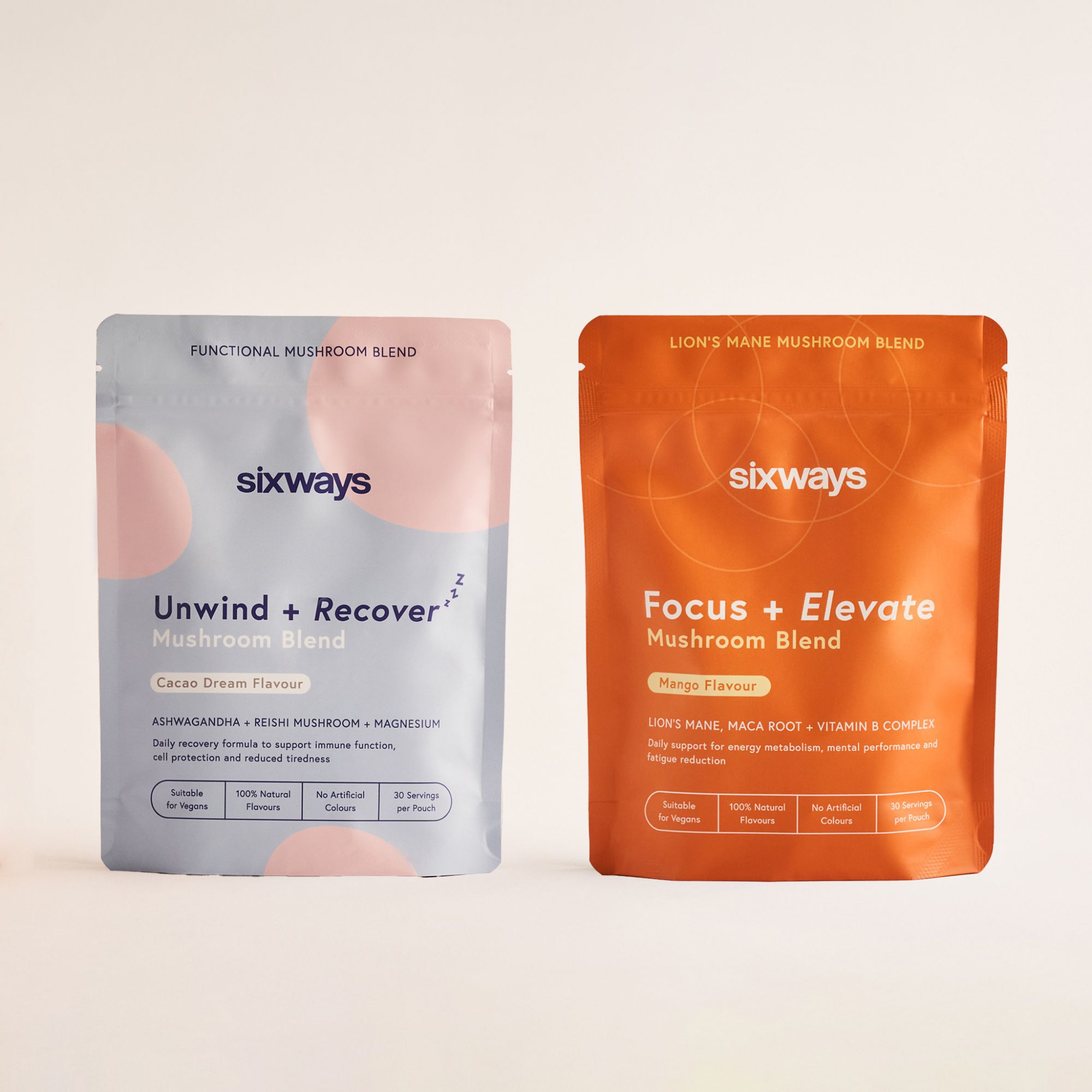
If you dislike swallowing pills, try reishi in a tea or powder. If you have sensitive digestion, pick magnesium glycinate.
Credit: sixways.co
Common Questions About Dosing And Timing
Here are answers to practical questions many people have about using this stack.
When Should I Take Reishi And Magnesium?
Take reishi 60–90 minutes before bed. Take magnesium 30–60 minutes before sleep. This timing gives the supplements time to work.
Should I Take With Or Without Food?
Both can be taken with a small snack if you have a sensitive stomach. Avoid heavy or fatty meals close to bedtime.
How Long Should I Use The Stack?
There is no strict limit for healthy adults. Many people use reishi and magnesium for months or years. Take breaks every few months to check if you still need them.
Can I Use Them With Other Supplements?
Yes, but avoid stacking with other sedatives or high doses of calcium (which can compete with magnesium). Always check for interactions if you take prescription drugs.
What If I Miss A Dose?
Just resume your routine the next night. Do not double up.
Data: Prevalence Of Sleep Issues And Supplement Use
To understand why sleep stacks are popular, consider these facts:
- Up to 1 in 3 adults struggle with insomnia at some point.
- Over 50% of adults report using natural supplements to help sleep.
- Magnesium deficiency affects up to 30% of people in developed countries.
- Searches for “reishi for sleep” have risen sharply in the last five years.
Here is a quick look at supplement use by age group:
| Age Group | Percent Using Sleep Supplements |
|---|---|
| 18-29 | 38% |
| 30-49 | 44% |
| 50-64 | 56% |
| 65+ | 59% |
Older adults are the most likely to use natural sleep aids, but all age groups are interested.

Credit: victoriahealth.com
The Cost Of Poor Sleep
Why does sleep matter so much? Here are some real impacts of chronic poor sleep:
- Increased risk of heart disease, diabetes, and depression
- Higher rates of accidents and errors at work
- Lower immune function
- More irritability and less focus
Investing in better sleep with safe, natural tools like reishi and magnesium can improve many areas of life.
How To Choose Quality Supplements
Not all supplements are equal. Here is what to look for:
For Reishi
- Third-party testing for purity and potency
- Clear labeling of active compounds (triterpenes, polysaccharides)
- Sourced from reputable growers, ideally organic
For Magnesium
- Clear labeling of magnesium type
- No unnecessary fillers or artificial colors
- Good reviews and transparent sourcing
Cheap or poorly made supplements often do not work as well and may contain contaminants.
Side Effects And Safety
Both reishi and magnesium are safe for most people, but side effects are possible.
Reishi Side Effects
- Dry mouth
- Upset stomach
- Allergic reactions (rare)
- Lowered blood pressure or blood thinning (in high doses)
Magnesium Side Effects
- Diarrhea (more common with citrate or oxide forms)
- Nausea (rare, usually with very high doses)
Lower your dose or switch forms if you have side effects. If symptoms persist, stop use and consult a healthcare provider.
Myths And Misunderstandings
Some beliefs about this sleep stack are not based on facts. Here are the most common myths:
Myth 1: “natural Means 100% Safe For Everyone”
Even natural supplements can interact with medicines or cause side effects for some people. Always check with a healthcare provider if you are unsure.
Myth 2: “you Will Fall Asleep Instantly”
Unlike sleeping pills, reishi and magnesium support your body over time. Improvements are gradual, not instant.
Myth 3: “more Is Better”
Taking too much magnesium can cause diarrhea. Mega-doses of reishi do not work better and may cause side effects.
Myth 4: “works The Same For Everyone”
Genetics, diet, stress, and lifestyle all affect sleep. Some people respond better than others. Tracking your results helps you find what works.
Myth 5: “supplements Replace Good Habits”
No supplement can fix poor sleep hygiene, too much caffeine, or screen use at night.
Reishi And Magnesium: Not Just For Sleep
While sleep support is the main reason people use this stack, there are other benefits:
- Reishi may support immune health, reduce inflammation, and improve mood.
- Magnesium supports heart health, muscle function, and energy.
Some people report feeling calmer and more focused during the day, not just at night.
What Makes This Stack Special?
There are many sleep supplements on the market. What sets reishi and magnesium apart?
- Gentle action – Supports sleep without harsh sedatives.
- Works for stress-related sleep issues – Targets both body and mind.
- Few side effects – Well tolerated by most people.
- Builds better sleep over time – Effects last, not just a “one-night fix.”
This is why many holistic doctors and health coaches recommend this stack for long-term sleep improvement.
When To See A Doctor
Supplements help mild to moderate sleep problems. But if you have:
- Severe insomnia for weeks or months
- Frequent nightmares or sleepwalking
- Symptoms like snoring, choking, or gasping during sleep (possible sleep apnea)
- New or worsening anxiety or depression
See a healthcare provider for a full evaluation. Underlying medical issues may need different treatment.
Real Research And Resources
If you want to dig deeper, studies and resources are available. For example, a summary of reishi’s health effects is available on the National Institutes of Health website. Always look for information from trusted health organizations or academic journals.
Frequently Asked Questions
What Is The Best Time To Take Reishi And Magnesium For Sleep?
The best time is about 60–90 minutes before bed for reishi, and 30–60 minutes before bed for magnesium. This allows both supplements to be absorbed and start working before you try to sleep.
Can I Take Reishi And Magnesium Together Every Night?
Yes, most people can take them nightly for several months or longer. Taking breaks every few months is a good idea. If you have health conditions or take medication, check with your doctor first.
Are There Any Side Effects To Worry About?
Both supplements are safe for most people. Mild side effects like stomach upset or diarrhea (from magnesium) are rare. Stop use and talk to your doctor if you get allergic reactions, severe diarrhea, or other unusual symptoms.
How Long Does It Take To See Results?
Magnesium often helps within a few days. Reishi’s effects build up over 2–3 weeks. Track your sleep for at least a month before deciding if the stack works for you.
Can I Use This Stack With Prescription Sleep Medications?
Do not combine with prescription sedatives or sleep drugs unless your doctor approves. Combining can increase the risk of side effects or interactions.
Getting good sleep is one of the best gifts you can give your body and mind. Reishi and magnesium are a safe, effective way to support better rest, especially if stress or anxiety keep you up at night. By using the right forms, staying consistent, and practicing good sleep habits, you can wake up more refreshed and ready for the day. Give this powerful sleep stack a try and see how it changes your nights—and your days—for the better.