Living with scleroderma or other connective tissue disorders can be challenging. These conditions affect the skin, joints, and sometimes even internal organs. Many people search for new ways to manage their symptoms, reduce inflammation, and improve their quality of life. One area gaining attention is the use of medicinal mushrooms. These fungi have been used in traditional medicine for centuries, and modern science is starting to explore their potential benefits for autoimmune and connective tissue conditions.
If you’re curious about how mushrooms might support people with scleroderma or similar disorders, this article will guide you through the latest research, traditional uses, and practical tips. We’ll cover which mushrooms are most studied, how they may help, safety tips, and how to use them as part of a holistic approach to health.
Understanding Scleroderma And Connective Tissue Disorders
Scleroderma is a rare autoimmune disease. The body produces too much collagen, which leads to thick and tight skin. In severe cases, internal organs like the lungs, heart, or kidneys can be affected. The main symptoms include:
- Hardened or shiny skin
- Swelling and pain in the fingers and joints
- Fatigue
- Digestive issues
Connective tissue disorders are a group of diseases that affect the tissues supporting organs, muscles, and skin. Besides scleroderma, this group includes lupus, rheumatoid arthritis, dermatomyositis, and mixed connective tissue disease. All these conditions involve chronic inflammation, an overactive immune system, and often, tissue damage.
Most treatments focus on managing symptoms and slowing disease progression. Steroids, immunosuppressants, and physical therapy are common. However, these treatments can have side effects, and not everyone responds well. This has led to rising interest in natural compounds that may support the immune system and reduce inflammation, such as medicinal mushrooms.
Medicinal Mushrooms: A Brief Overview
Medicinal mushrooms have been used in Traditional Chinese Medicine, Japanese Kampo, and other healing systems for thousands of years. They are not the same as culinary mushrooms. Medicinal mushrooms are valued for their bioactive compounds, which include:
- Beta-glucans: Special fibers that modulate immune function
- Polysaccharides: Support cell health and have antioxidant properties
- Triterpenes: Show anti-inflammatory and antiviral effects
- Sterols and polyphenols: Help fight oxidative stress
Modern research is now uncovering how these compounds interact with the human immune system. Some mushrooms have been found to:
- Regulate immune response (not just “boost” it)
- Lower markers of inflammation
- Protect organs from damage
- Improve gut health
For people with autoimmune diseases like scleroderma, mushrooms that balance (not overstimulate) the immune system are particularly interesting.
How Medicinal Mushrooms May Help Scleroderma And Connective Tissue Disorders
Immunomodulation
Unlike classic immune boosters, many medicinal mushrooms act as immunomodulators. They help the immune system stay in balance—strong enough to fight infections, but not so active that it attacks the body’s own tissues.
Beta-glucans found in mushrooms like reishi and turkey tail interact with immune cells called macrophages and dendritic cells. This can help regulate the production of cytokines—proteins that control inflammation and immune activity. For people with scleroderma or lupus, where the immune system is out of control, this balancing effect is essential.
Anti-inflammatory Properties
Chronic inflammation is a major driver of tissue damage in connective tissue disorders. Several medicinal mushrooms contain triterpenes and polysaccharides that can lower inflammation markers like TNF-α and IL-6, which are often high in autoimmune conditions.
Antioxidant Support
Oxidative stress damages cells and tissues, and plays a role in the progression of scleroderma. Mushrooms are rich in antioxidants such as polyphenols and ergothioneine, which can help neutralize free radicals and protect tissues.
Fibrosis Modulation
Fibrosis is the hardening or scarring of tissue, which is a hallmark of scleroderma. Some mushroom extracts, like those from cordyceps and reishi, have shown the ability to reduce fibrosis in animal studies. They may work by blocking pathways that lead to excess collagen production.
Gut Health And Microbiome
The gut is home to much of the immune system. Medicinal mushrooms contain prebiotic fibers that can feed good bacteria and help maintain a healthy gut lining. This is important because people with scleroderma often have digestive issues and gut inflammation.
Top Medicinal Mushrooms For Scleroderma And Connective Tissue Disorders
Several mushrooms are widely studied for their effects on the immune system, inflammation, and tissue health. Here are some of the most promising:
1. Reishi (ganoderma Lucidum)
Reishi is sometimes called the “mushroom of immortality. ” It has been used in Asia for thousands of years to promote health and longevity.
- Key compounds: Beta-glucans, triterpenes, polysaccharides
- Actions: Immunomodulation, anti-inflammatory, antioxidant
- Studies: Research shows that reishi can reduce levels of pro-inflammatory cytokines and may help regulate collagen production. Animal studies suggest it can reduce fibrosis in organs like the liver and lungs, which is relevant to scleroderma.
People with autoimmune conditions often find that reishi helps with fatigue and overall well-being. However, it can interact with blood thinners and immune-suppressing drugs, so talk to your doctor before use.
2. Turkey Tail (trametes Versicolor)
Known for its colorful, fan-shaped appearance, turkey tail is one of the most researched medicinal mushrooms.
- Key compounds: Polysaccharide-K (PSK), polysaccharide peptide (PSP)
- Actions: Immune regulation, gut health support, antioxidant
- Studies: PSK has been used in Japan as an immunotherapy for cancer. Some studies show it can balance immune activity and reduce oxidative stress. Its prebiotic fibers also support a healthy gut microbiome, which is often disturbed in scleroderma.
Turkey tail is well-tolerated, but quality can vary. Always buy from reputable sources.
3. Cordyceps (cordyceps Sinensis And Cordyceps Militaris)
Cordyceps is a unique mushroom that grows on caterpillar larvae in the wild, but most supplements use a lab-grown version.
- Key compounds: Cordycepin, polysaccharides, adenosine
- Actions: Anti-fibrotic, energy support, anti-inflammatory
- Studies: Cordyceps has been shown in animal studies to reduce fibrosis in the kidneys and lungs. It also helps improve oxygen use and energy levels, which may benefit people with fatigue from connective tissue disease.
People on immune-suppressing medications should use caution, as cordyceps may interact with these drugs.
4. Lion’s Mane (hericium Erinaceus)
Lion’s mane is famous for its nerve-regenerating properties, but it also supports immune and gut health.
- Key compounds: Erinacines, hericenones, beta-glucans
- Actions: Neuroprotective, gut healing, anti-inflammatory
- Studies: Research suggests lion’s mane can help repair gut lining, which is important for people with digestive symptoms. It also has mild immunomodulatory effects and may reduce anxiety and depression, which are common in chronic illness.
Lion’s mane is generally safe, but rare allergic reactions can occur.
5. Chaga (inonotus Obliquus)
Chaga is a dark, woody fungus that grows on birch trees.
- Key compounds: Betulinic acid, polyphenols, beta-glucans
- Actions: Antioxidant, anti-inflammatory, immune balancing
- Studies: Chaga is one of the richest sources of antioxidants in the natural world. It has been shown to reduce inflammation and oxidative stress in several studies. For people with scleroderma, this may help protect tissues from ongoing damage.
Chaga can interact with blood thinners and may lower blood sugar, so monitor closely if you have diabetes.
6. Maitake (grifola Frondosa)
Maitake means “dancing mushroom” in Japanese. It’s both a food and a medicine.
- Key compounds: D-fraction polysaccharides, beta-glucans
- Actions: Immune regulation, blood sugar support, anti-inflammatory
- Studies: Maitake extracts have been shown to modulate immune response without overstimulating it. This is valuable for autoimmune diseases, where balance is key.
Maitake is generally safe but may affect blood sugar and interact with diabetes medications.
7. Shiitake (lentinula Edodes)
Shiitake is well-known as a culinary mushroom, but it also has medicinal properties.
- Key compounds: Lentinan, eritadenine, beta-glucans
- Actions: Immune support, anti-fibrotic, cholesterol-lowering
- Studies: Lentinan is a polysaccharide that supports balanced immune activity. Studies suggest shiitake may help reduce fibrosis and support liver health.
Rarely, shiitake can cause a rash called “shiitake dermatitis,” especially if eaten raw.
8. Agaricus Blazei Murill
Also called almond mushroom, it’s popular in Brazilian and Japanese folk medicine.
- Key compounds: Beta-glucans, proteoglucans
- Actions: Immunomodulation, anti-inflammatory, anti-tumor
- Studies: Some trials show that Agaricus blazei can help balance immune responses in people with autoimmune or allergic diseases. Its anti-inflammatory effects may help with joint pain and swelling.
It is usually well-tolerated, but allergic reactions are possible.
9. Poria (poria Cocos)
Poria is used in traditional Chinese medicine for water metabolism and to calm the mind.
- Key compounds: Polysaccharides, pachymic acid
- Actions: Anti-inflammatory, diuretic, adaptogenic
- Studies: Animal research shows Poria extracts reduce inflammation and have mild diuretic effects, which may help with swelling in connective tissue disorders.
Poria is generally considered safe.
10. Antrodia Camphorata
A rare mushroom native to Taiwan, valued for liver protection.
- Key compounds: Triterpenoids, polysaccharides
- Actions: Antioxidant, anti-fibrotic, liver support
- Studies: Antrodia has shown promise in reducing fibrosis and protecting the liver from damage. This is useful for scleroderma patients with liver involvement.
It’s expensive and sometimes adulterated, so buy only from trusted sources.
Comparing Medicinal Mushrooms: Key Properties
With so many options, it helps to compare mushrooms by their main benefits. Here’s a look at the core properties:
| Mushroom | Immunomodulation | Anti-inflammatory | Anti-fibrotic | Antioxidant | Gut Support |
|---|---|---|---|---|---|
| Reishi | Yes | Yes | Moderate | Yes | Mild |
| Turkey Tail | Yes | Mild | No | Yes | Strong |
| Cordyceps | Mild | Yes | Strong | Moderate | Mild |
| Lion’s Mane | Mild | Moderate | No | Moderate | Strong |
| Chaga | Mild | Yes | No | Strong | Mild |
| Maitake | Yes | Moderate | Mild | Moderate | Mild |
| Shiitake | Yes | Mild | Moderate | Moderate | Mild |
| Agaricus blazei | Yes | Yes | No | Moderate | Mild |
| Poria | Mild | Moderate | No | Mild | Mild |
| Antrodia | Mild | Moderate | Strong | Moderate | No |
Scientific Evidence: What Does Research Say?
Many people want to know if there’s real science behind mushrooms for scleroderma and related conditions. Here’s a summary of the evidence:
- Reishi: Animal studies show reduction in skin and lung fibrosis. Human trials for autoimmune diseases are limited but promising.
- Turkey Tail: Used clinically in Japan for immune support in cancer patients. Some evidence of improved immune balance.
- Cordyceps: Research in kidney and lung fibrosis models shows reduced scarring. Few studies in humans with connective tissue disease.
- Lion’s Mane: Trials for nerve and gut health, but not specific to scleroderma. Still, its gut-healing properties are relevant.
- Chaga: High antioxidant activity shown in lab studies. No direct human trials in scleroderma yet.
- Maitake, Shiitake, Agaricus blazei: Some evidence for immune balance in autoimmune disorders.
- Poria, Antrodia: Animal studies show anti-inflammatory and anti-fibrotic effects.
Most studies are preclinical (in animals or in the lab). Human trials are still limited, but side effects are generally mild. This makes mushrooms a reasonable option to try—alongside, not instead of, standard care.
How To Use Medicinal Mushrooms Safely
Forms Available
Medicinal mushrooms come in different forms:
- Powders: Easy to mix into smoothies, coffee, or food.
- Capsules/Tablets: Convenient and standardized dosage.
- Tinctures/Liquid extracts: Fast-absorbing, often more concentrated.
- Whole dried mushrooms: Used in soups and teas.
Each form has pros and cons. Powders are versatile, but quality can vary. Capsules are easy, but check for fillers. Tinctures are potent but often taste strong.
Dosage Guidelines
Doses vary by mushroom and product. Common starting doses:
- Reishi: 1–3 grams daily powder, or 1–2 mL tincture
- Turkey tail: 1–3 grams daily powder or capsule
- Cordyceps: 1–2 grams daily
- Lion’s mane: 1–3 grams daily
- Chaga: 0.5–2 grams daily
Always start low and increase slowly. Check the label for standardized extracts, as these can be more potent.
Choosing Quality Products
Mushroom supplements are not all equal. Here are tips to choose wisely:
- Check for third-party testing for contaminants (heavy metals, pesticides, molds).
- Look for products listing beta-glucan content (not just polysaccharides).
- Prefer supplements made from fruiting bodies (the actual mushroom), not just mycelium.
- Buy from reputable companies with transparent sourcing.
Low-quality mushrooms may contain fillers or be grown on grain, reducing their potency.
Possible Side Effects And Interactions
Most people tolerate medicinal mushrooms well, but possible side effects include:
- Digestive upset (nausea, diarrhea)
- Allergic reactions (rash, itching)
- Lowered blood sugar (especially with maitake and chaga)
- Interaction with blood thinners or immune-suppressing drugs
If you have a serious medical condition or take prescription drugs, always consult your healthcare provider before starting any new supplement.
Integrating Medicinal Mushrooms Into A Holistic Plan
Medicinal mushrooms work best as part of a broader approach to health. For scleroderma and connective tissue disorders, this includes:
- Following your doctor’s treatment plan
- Eating an anti-inflammatory diet (rich in vegetables, healthy fats, and lean protein)
- Gentle exercise, such as stretching or yoga, to keep joints flexible
- Managing stress (meditation, deep breathing)
- Getting enough sleep
Mushrooms are not a cure, but they may help reduce symptoms, support energy, and improve quality of life. Some people notice benefits within a few weeks; others need several months.

Credit: en.wikipedia.org
Real-world Examples: How People Use Mushrooms
To make things practical, here’s how some people with scleroderma or connective tissue disorders use medicinal mushrooms:
- Morning routine: Adding lion’s mane or reishi powder to coffee or smoothies to support energy and mood.
- Evening relaxation: Taking reishi or chaga tea to wind down and support sleep.
- Meal prep: Cooking with shiitake and maitake mushrooms for both flavor and health benefits.
- Capsule supplements: Using turkey tail or cordyceps capsules for immune balance, especially during flare-ups or cold season.
Some people rotate different mushrooms for variety, while others stick with one or two favorites.
Less-discussed Insights: What Most Beginners Miss
- Quality matters more than quantity. Many cheap mushroom products contain mostly grain or mycelium, not the actual fruiting body where most active compounds are found. Always check labels for this information.
- Stacking mushrooms can be effective. Combining two or three mushrooms (such as reishi, turkey tail, and lion’s mane) often provides a broader range of benefits. But start with one to check for side effects.
- Cooking mushrooms increases digestibility. Some medicinal mushrooms, like shiitake and maitake, are best cooked to release their beneficial compounds. Raw mushrooms can be hard to digest and may cause stomach upset.
- Gut health is a hidden link. Many people with scleroderma have gut problems. Mushrooms like lion’s mane and turkey tail support both immunity and gut lining health, addressing two issues at once.
- Consistency is key. Medicinal mushrooms are not quick fixes. Most people need to use them daily for several months to notice significant benefits.
Table: Common Symptoms And Mushroom Matches
Here’s a quick guide matching common symptoms of connective tissue disorders with mushrooms that may help:
| Symptom | Mushroom(s) | Reason |
|---|---|---|
| Chronic inflammation | Reishi, Chaga, Cordyceps | Strong anti-inflammatory effects |
| Fatigue | Cordyceps, Lion’s Mane | Support energy and nerve health |
| Digestive issues | Lion’s Mane, Turkey Tail | Gut lining and microbiome support |
| Joint pain | Maitake, Agaricus blazei | Immune modulation, inflammation |
| Skin fibrosis | Reishi, Shiitake, Antrodia | Anti-fibrotic and antioxidant action |
Practical Tips For Getting Started
- Start small: Begin with one mushroom and a low dose to check your body’s reaction.
- Be patient: Benefits may take weeks or months to appear.
- Track your progress: Keep a simple journal of symptoms, energy, and side effects.
- Combine with lifestyle: Mushrooms work best alongside healthy eating, exercise, and stress reduction.
- Stay informed: Research is always evolving. Check reputable sources for the latest findings.

Credit: www.dreamstime.com
What To Discuss With Your Doctor
Before adding medicinal mushrooms, talk to your healthcare provider about:
- Your current medications (especially immune suppressants or blood thinners)
- Any allergies or sensitivities
- Your specific symptoms and health goals
- How to monitor for side effects
Doctors familiar with integrative or functional medicine may be most open to discussing mushrooms. If your provider is not sure, share research from trusted sources like PubMed Central.
Frequently Asked Questions
What Are The Risks Of Using Medicinal Mushrooms For Scleroderma?
Most medicinal mushrooms are safe for most people, but they can cause mild digestive upset or, rarely, allergic reactions. The biggest risk is potential interactions with medications, especially immune-suppressing drugs and blood thinners. Always consult your doctor before use.
Can Mushrooms Cure Scleroderma Or Connective Tissue Disorders?
No, mushrooms are not a cure. They may help manage symptoms, reduce inflammation, and support overall health, but they should be used as part of a comprehensive treatment plan, not as a replacement for medical care.
How Long Does It Take To See Benefits From Medicinal Mushrooms?
Some people notice benefits like better energy or digestion within a few weeks, but most need to use them consistently for 2–3 months or more. Effects are gradual and may vary from person to person.
Is It Better To Use One Mushroom Or A Blend?
Both approaches can work. Starting with one allows you to see how your body reacts. Blends can offer broader benefits, but make sure each mushroom is present in effective amounts, not just a tiny sprinkle.
Where Can I Find High-quality Medicinal Mushroom Supplements?
Look for products tested by third parties for purity and potency. Check that they use the fruiting body, not just mycelium. Buy from reputable health food stores or trusted online brands. Research the company and read reviews before purchasing.
Using medicinal mushrooms for scleroderma and connective tissue disorders offers a promising, natural way to support your health. With care, patience, and quality products, many people find these ancient fungi can be a useful ally on their wellness journey. Always keep your healthcare team informed and make choices that fit your unique needs.
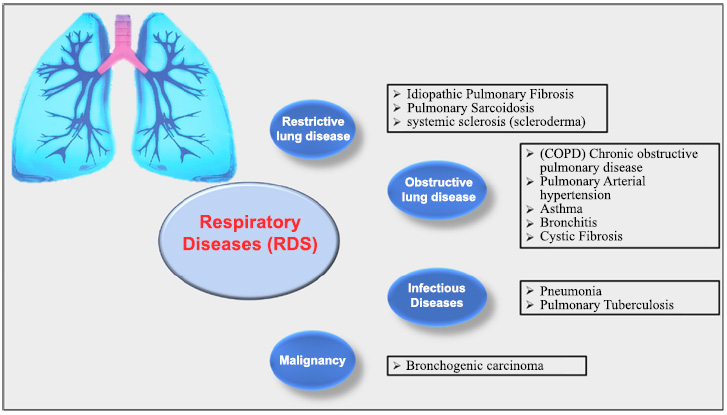
Credit: openrespiratorymedicinejournal.com